5 Ways to Secure Yourself from BEC Scams
Business Email Compromise (BEC) is one of the fastest‑growing cyber threats. Attackers impersonate trusted contacts, manipulate email, and trick organizations into sending money or sensitive data. The financial, reputational, and legal costs can be devastating.
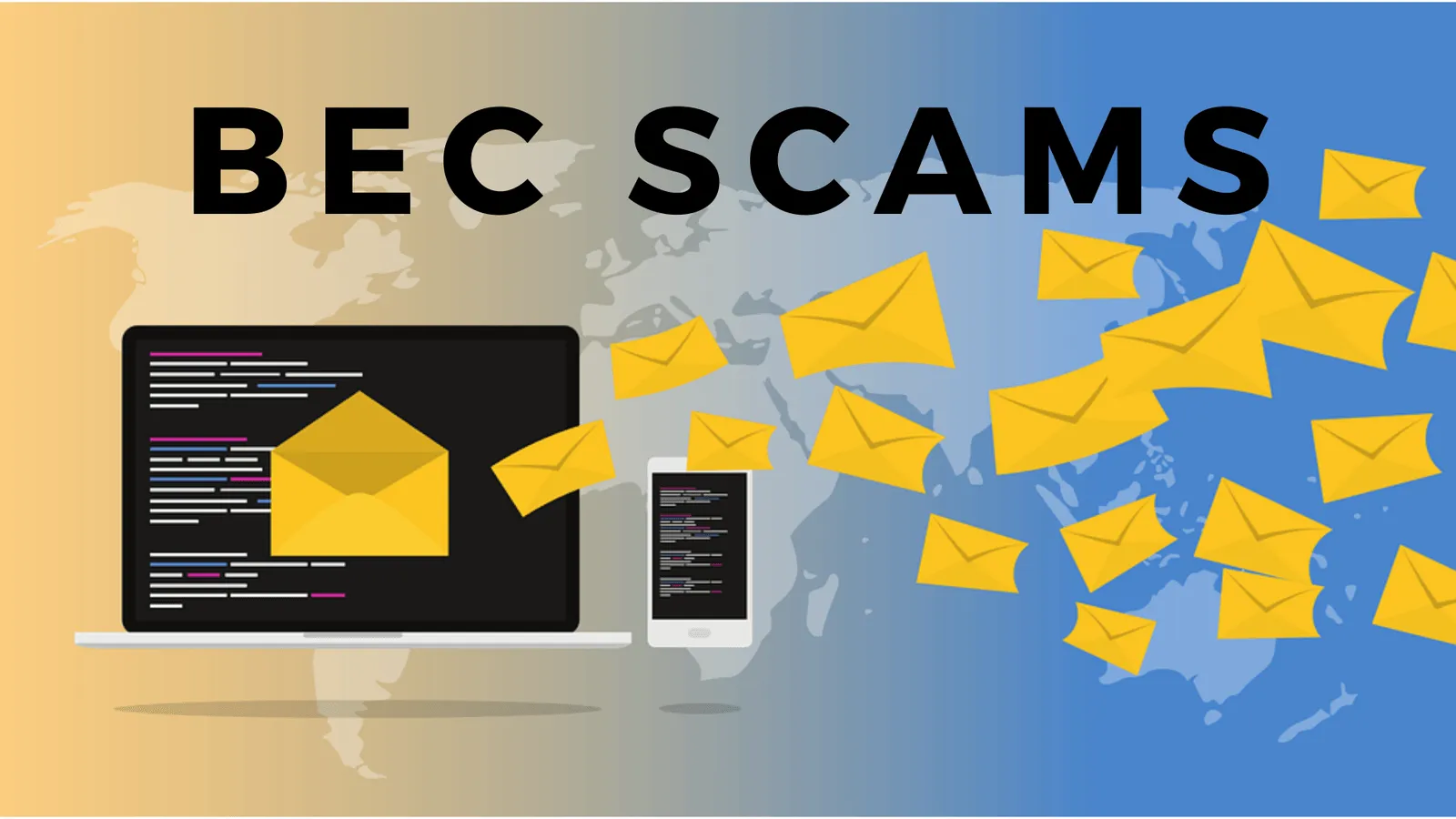
Business Email Compromise (BEC) is one of the fastest‑growing cyber threats. Attackers impersonate trusted contacts, manipulate email, and trick organizations into sending money or sensitive data. The financial, reputational, and legal costs can be devastating.
Here are five key strategies your business should adopt today to protect against BEC scams and how we at Alpha Cyber can help you implement them.
1. Enforce Strong Email Authentication Protocols
- Spoofing or impersonating your email domain is among the core tactics in BEC attacks. To block these before they reach your inbox:
- Use SPF, DKIM, and DMARC protocols to verify that the emails you receive are legitimately from the domain they claim to be from.
- Configure your policies so that emails failing these checks are flagged, quarantined, or rejected.
2. Require Multi‑Factor Authentication (MFA) Everywhere
- Even with a compromised password, MFA provides an extra layer of defense. Without it, threat actors have an easy path.
- Ensure that all email accounts (especially executive, finance, vendor-facing ones) are protected with MFA.
- Move beyond SMS where possible use authenticator apps, hardware tokens, or biometric methods.
3. Establish Rigid Internal Controls for Financial Transactions
Most victims of BEC lose money via fraudulent payment requests. Controls in your internal workflows help stop these before they happen.
- Require multi‑person approval for high priority or large transactions.
- Out‑of‑band verification: always verify payment changes, vendor information or refunds via a known good alternate channel (e.g. phone.)
- Make any changes to vendor bank details subject to a cooling‑off period.
4. Scan, Filter & Block Malicious Emails Early
Prevent threats from ever reaching your users’ inboxes. Layers of protection strengthen your posture immensely.
- Deploy email gateway filters that check attachments, embedded links, and sender reputations.
- Use threat intelligence & anti‑phishing tools to identify patterns typical of BEC attacks.
- Monitor for sudden changes, like emails from internal domains coming from external IPs or using similar domain names.
5. Conduct Ongoing Security Awareness Training
Human error is one of the main entry points for BEC attacks. The more aware your staff are, the harder it is for attackers to succeed.
- Regularly train employees to recognize phishing, spoofed emails, urgency tricks, and unusual requests.
- Use simulations to test real‑world scenarios (vendor change, CEO fraud, altered invoices).
- Encourage a culture where employees double‑check suspicious requests rather than blindly following them.
Why Acting Now Matters
BEC attacks are evolving fast. Microsoft, CISA, and many cybersecurity vendors report sustained increases in BEC attempts worldwide.
Even one successful attempt can cost millions, especially in financial fraud or regulatory penalties.
By putting the five strategies above into place, you not only protect your assets. You also build trust with your clients, vendors, and stakeholders.
Our Services: Helping You Stay Safe
BEC Protection Assessments: We evaluate your current defenses and find the gaps.
Policy & Configuration Consulting: From DMARC to MFA to approval workflows, we help you get the settings right.
Training & Phishing Simulations: We prepare your people for real‑world threats.
Contact us today to schedule a free consultation. Let’s make sure your business is not the next victim.