Akira Exploits SonicWall SSLVPN Rootkit in Suspected Zero-Day Attacks
How Infrastructure Mapping Can Help Detect and Prevent the Next Breach In the latest wave of targeted ransomware attacks, the Akira ransomware group is now exploiting a previously unknown vulnerability in SonicWall SSLVPN appliances, giving them direct access to corporate networks.
How Infrastructure Mapping Can Help Detect and Prevent the Next Breach
In the latest wave of targeted ransomware attacks, the Akira ransomware group is now exploiting a previously unknown vulnerability in SonicWall SSLVPN appliances, giving them direct access to corporate networks. Security researchers suspect this may be a zero-day exploit, meaning the vulnerability was not publicly known or patched at the time of exploitation.
These incidents are a wake-up call: attackers are no longer relying on phishing or brute force alone, they’re exploiting weaknesses deep in your network infrastructure.
What Is Akira Doing, and Why Does It Matter?
Akira is a rapidly evolving ransomware operation that has targeted organizations across sectors including manufacturing, education, finance, and healthcare. Its latest activity involves targeting SonicWall SSLVPN portals exposed to the internet.
Suspected Attack Chain:
- Initial Access
Exploiting SonicWall SSLVPN services, likely using a zero-day or unpatched vulnerability to gain unauthenticated access. - Credential Theft & Privilege Escalation
Once inside, attackers deploy tools like Mimikatz or Cobalt Strike to harvest credentials and move laterally. - Network Reconnaissance & Lateral Movement
Using RDP, PsExec, and native tools, Akira operators map out the internal environment. - Payload Deployment & Encryption
Ransomware is deployed silently, encrypting critical systems. Victims are then extorted, often with threats to leak stolen data.
This approach allows attackers to bypass traditional endpoint defenses and strike from within, making detection harder and response slower.
Infrastructure Mapping: The Key to Early Detection
At Alpha Cyber, we use advanced infrastructure mapping to help clients understand where their vulnerabilities lie, before attackers do.
Through continuous monitoring, scanning, and mapping of your external and internal infrastructure, we can:
- Identify exposed VPN interfaces, remote access portals, and misconfigurations
- Detect suspicious network paths or beaconing behavior consistent with C2 activity
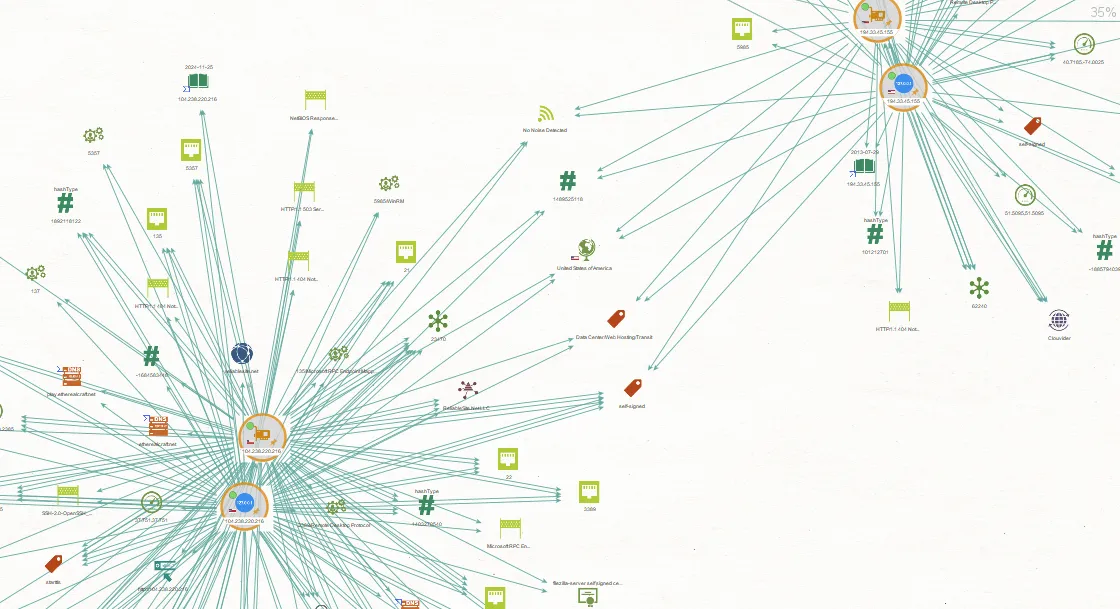
- Reveal interconnected systems that attackers could exploit for lateral movement
- Correlate threat intel to uncover zero-day abuse patterns
Real-Time Insights Mean Real-Time Defense
The Akira campaign demonstrates how invisible gaps in infrastructure, not just software, can be exploited. Infrastructure mapping helps illuminate those blind spots.
How We Protect Our Clients
Our managed cybersecurity services are built to handle emerging threats like Akira. We offer:
- Remote Access & VPN Risk Audits
- Zero-Day Exposure Scanning & Threat Surface Analysis
- Advanced Threat Detection (EDR, XDR, SIEM Integration)
- Infrastructure Monitoring & Threat Hunting
Even if you’re patched, a misconfiguration or outdated system could still leave you open to attack. We help ensure you’re not just compliant, but resilient.
Don’t Wait for the Next Zero-Day
Book a free infrastructure risk consultation today and see how we can secure your remote access footprint.