Here Come the Sandworm: The Shai-Hulud Attack Explained
In the world of cybersecurity, new and increasingly sophisticated threats emerge daily.

Beware the Sandworm: The ShaiHulud Attack Explained
In the world of cybersecurity, new and increasingly sophisticated threats emerge daily. One such threat, the ShaiHulud attack, takes its name from the massive, destructive sandworms in Frank Herbert’s Dune series. Just as these creatures are feared for their power to disrupt and destroy, the ShaiHulud attack is capable of wreaking havoc on an organization’s network infrastructure. This attack isn’t just another runofthemill malware or phishing attempt it represents a highly targeted, multilayered threat designed to breach your defenses and cause significant damage.
In this post, we’ll break down the ShaiHulud attack and how organizations can proactively defend themselves against it by utilizing advanced infrastructure mapping tools. We’ll also highlight specific Indicators of Compromise (IOCs) that should be blocked immediately to help mitigate the risk.
What is the ShaiHulud Attack?
Named after the monstrous sandworms from the Dune universe, the ShaiHulud attack is a complex, multifaceted cyber intrusion that targets infrastructure at a deep level. Much like how sandworms tunnel beneath the desert to destroy anything in their path, these attacks dig into your organization’s digital infrastructure, exploiting vulnerabilities and gaining unauthorized access. The attack typically leverages a mix of malware, phishing, and lateral movement techniques to exfiltrate data, compromise systems, and potentially disrupt critical operations.
The Infrastructure Mapping Process: Knowing Your Defenses
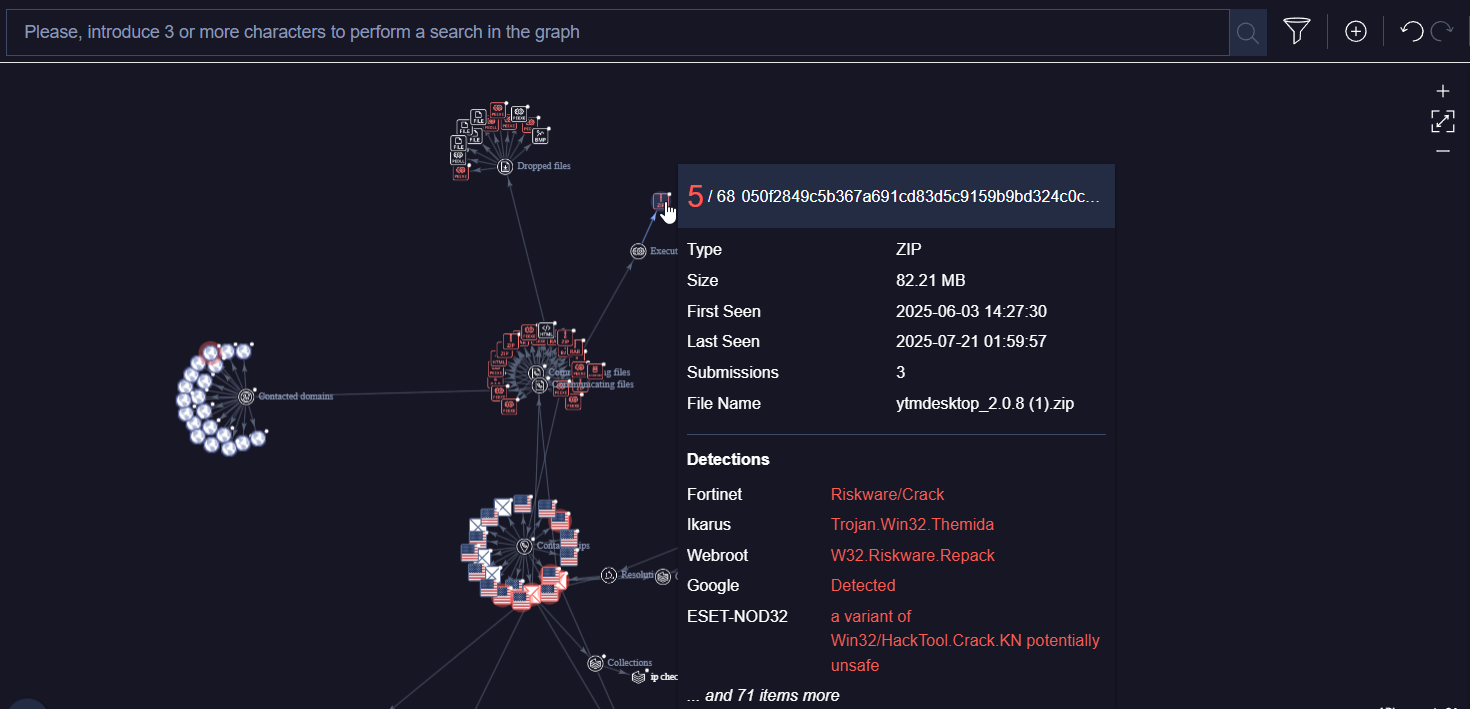
One of the first lines of defense against this type of sophisticated attack is understanding and mapping out your network infrastructure. Infrastructure mapping tools provide a clear visual representation of your network, helping security teams identify potential vulnerabilities and monitor network traffic patterns for any suspicious activity.
By knowing exactly how your systems are connected and where data flows, you can spot abnormalities early and take action to block or isolate a breach before it spreads. Furthermore, having a robust infrastructure map helps in quickly restoring operations after a breach and ensures that your security protocols are being followed at all times.
Here’s how effective infrastructure mapping can help prevent a ShaiHulud attack:
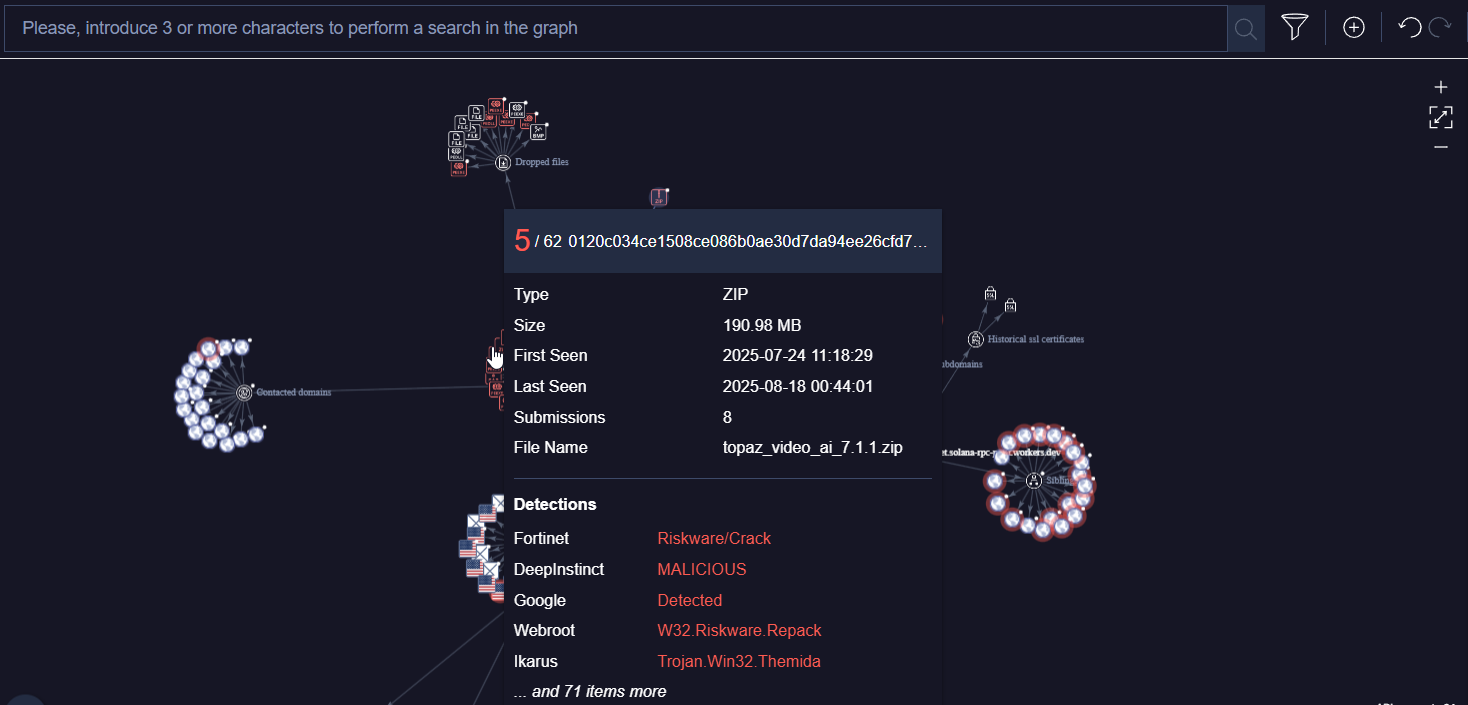
1. Identify Weak Points: Visualizing your network can help uncover weaknesses, outdated systems, or areas with inadequate security controls that are prime targets for attackers.
2. Monitor Traffic Flows: Mapping traffic allows you to monitor normal traffic patterns and identify anomalies indicative of an intrusion.
3. Create Incident Response Plans: A comprehensive map ensures that when an attack is detected, responders can quickly isolate affected systems and contain the attack.
Indicators of Compromise (IOCs) to Block
To raise awareness and prevent the Sandworm ShaiHulud attack, it is crucial for security teams to block known Indicators of Compromise (IOCs) associated with this threat. These IOCs include suspicious hashes, IPs, URLs, and domains that have been identified as part of the attack’s infrastructure. Blocking these markers reduces the risk of an attack succeeding.
Here’s a list of IOCs that should be blocked immediately to prevent the Sandworm, ShaiHulud attack:
| Type | IOC | Description |
|---|---|---|
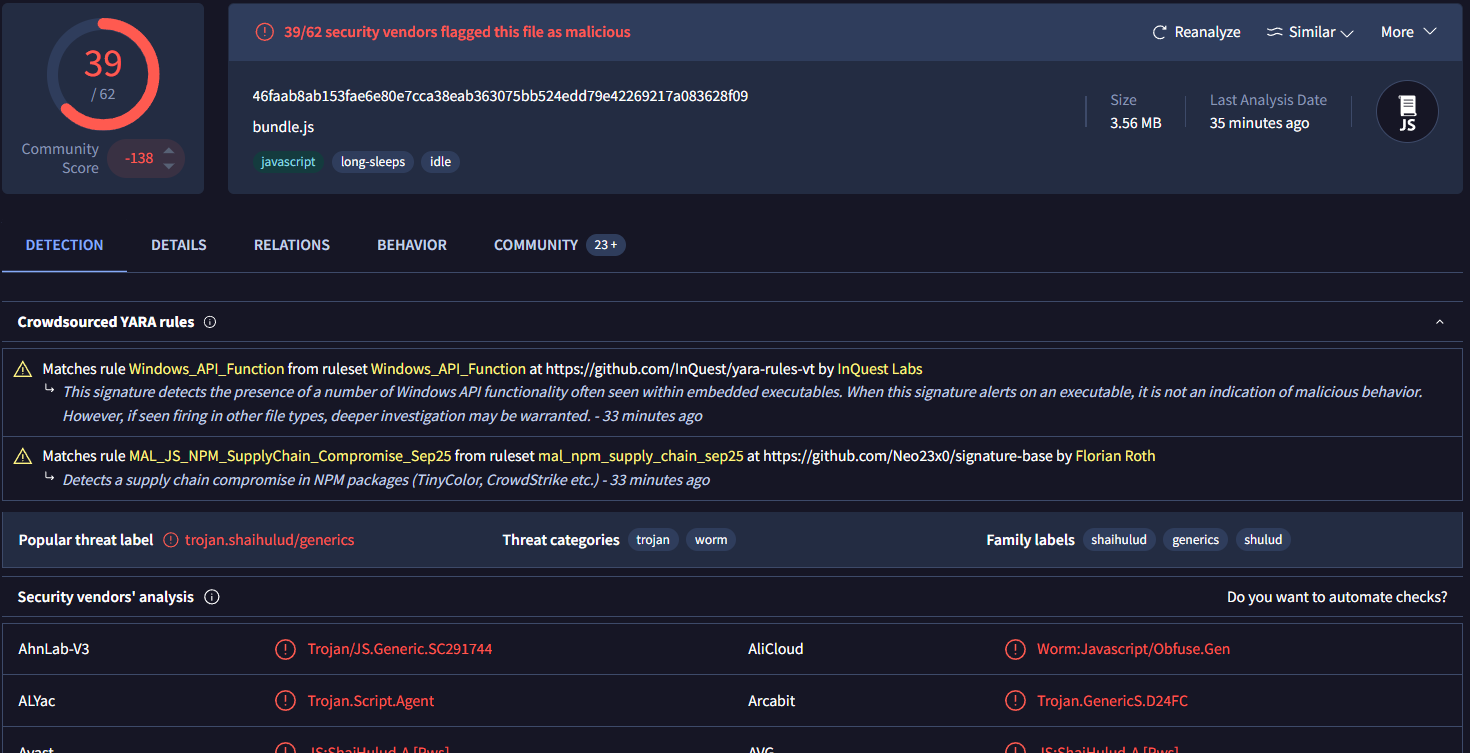
| File Hash | 46faab8ab153fae6e80e7cca38eab363075bb524edd79e42269217a083628f09 | Malicious file hash involved in payload delivery |
| File Hash | b74caeaa75e077c99f7d44f46daaf9796a3be43ecf24f2a1fd381844669da777 | Associated with exploit tools or payloads |
| File Hash | dc67467a39b70d1cd4c1f7f7a459b35058163592f4a9e8fb4dffcbba98ef210c | Malware persistence mechanism |
| File Hash | 4b2399646573bb737c4969563303d8ee2e9ddbd1b271f1ca9e35ea78062538db | File associated with lateral movement |
| URL | hxxps://webhook[.]site/bb8ca5f6-4175-45d2-b042-fc9ebb8170b7 | Known malicious URL used for command and control |
| URL | https://mainnet.solana-rpc-pool.workers.dev/ | Command and control channel for exfiltration |
By blocking these IOCs across your network and security devices, you can significantly reduce the chances of a successful attack.
Taking Action Now
The ShaiHulud attack may sound like something out of a science fiction novel, but in the world of cybersecurity, it’s a very real threat. By utilizing infrastructure mapping tools, identifying vulnerabilities, and blocking known IOCs, your organization can drastically improve its defenses against this kind of advanced attack.
As cyber threats continue to evolve, staying proactive and constantly improving your security posture is essential. Regular audits of your network, continuous monitoring, and rapid response capabilities are key components to ensuring that the ShaiHulud attack never reaches your infrastructure.
Don’t wait for the sandworm to strike. Implement these strategies today to safeguard your organization from the threat lurking beneath the surface.
Need Help?
If you’re looking for a comprehensive infrastructure mapping solution or need assistance in improving your cybersecurity defenses, our team of experts is here to help. Contact us today for a consultation and learn how we can secure your systems from emerging threats like the ShaiHulud attack.