
Mitigating Data Exfiltration Attacks
A Comprehensive Guide In today’s digital landscape, data security is paramount. Your data encompasses more than just your name. It reflects your preferences, behaviors, and personal insights.
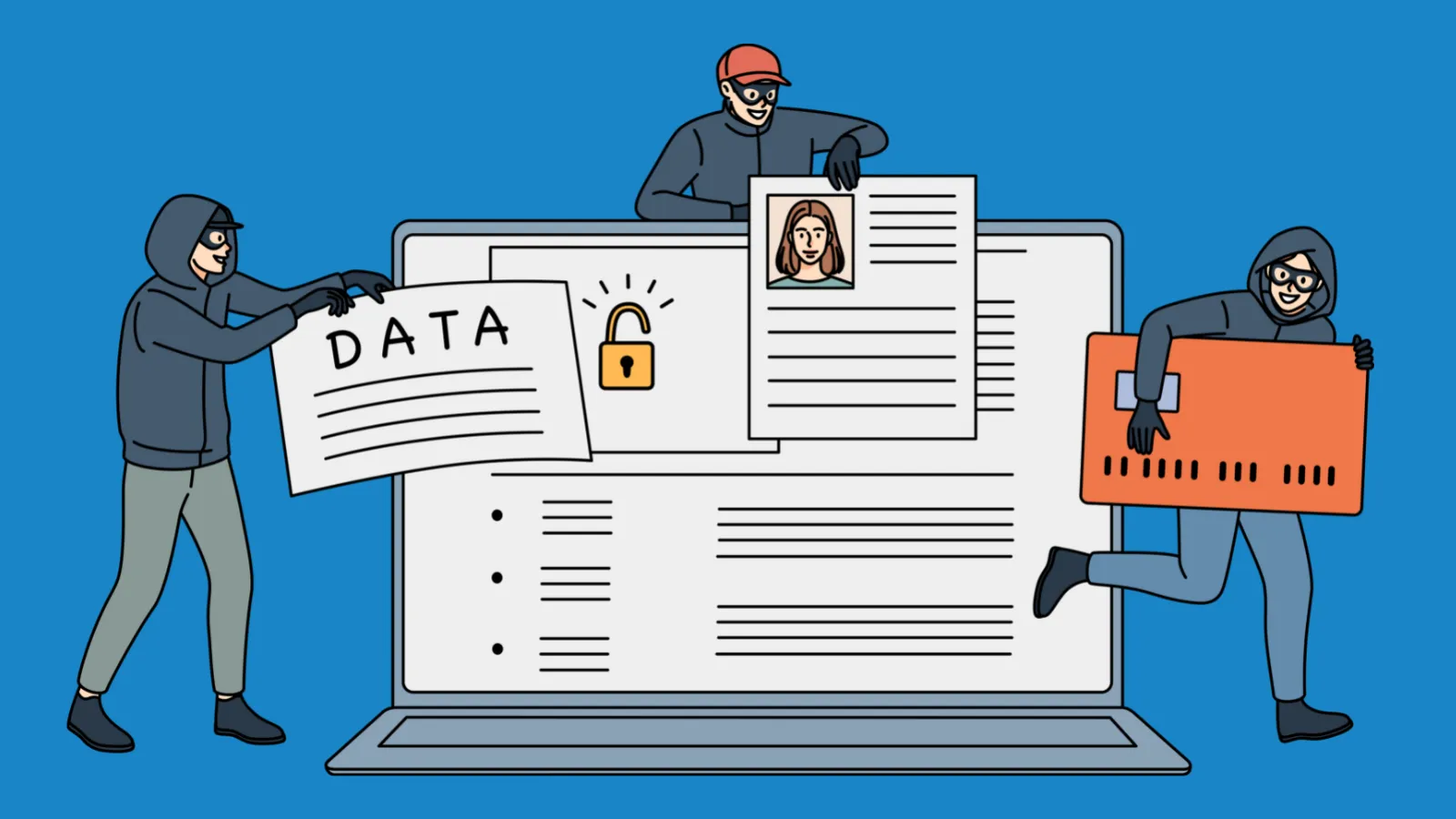
In today’s digital landscape, data security is paramount. Your data encompasses more than just your name. It reflects your preferences, behaviors, and personal insights. Attackers often target this metadata to craft sophisticated strategies aimed at breaching your organization’s defenses.
1. Fortify Access Controls
Implementing robust access controls is crucial in safeguarding sensitive data. Adopt the principle of least privilege, ensuring individuals have access only to the data necessary for their roles. Utilize multi-factor authentication (MFA) to add an extra layer of security, making unauthorized access significantly more challenging.
2. Educate and Train Employees
Your employees are often the first line of defense. Regular training sessions can empower them to recognize phishing attempts, handle sensitive information securely, and understand the importance of data protection. A well-informed workforce is less likely to fall victim to social engineering tactics.
3. Encrypt Data at Rest and in Transit
Encryption transforms readable data into an unreadable format, ensuring that even if data is intercepted, it remains protected. Implement encryption protocols for data both at rest and in transit to maintain confidentiality and integrity.
4. Deploy Data Loss Prevention (DLP) Solutions
DLP tools monitor and control data movement across your network, preventing unauthorized access and transfer of sensitive information. They can detect and block potential data exfiltration attempts in real-time, providing an essential layer of defense.
5. Segment Your Network
Network segmentation involves dividing your network into smaller, isolated zones to limit the spread of potential breaches. This approach ensures that even if one segment is compromised, the attacker cannot easily access the entire network.
6. Regularly Audit and Monitor Systems
Continuous monitoring and regular audits help in identifying unusual activities that could indicate a data exfiltration attempt. Implementing real-time alert systems can facilitate prompt responses to potential threats.
7. Implement Endpoint Protection
Endpoints, such as computers and mobile devices, are common entry points for attackers. Deploying advanced endpoint protection solutions can detect and mitigate threats before they compromise your data. Ensure that all devices are regularly updated and equipped with the latest security patches.
Conclusion
Data exfiltration poses significant risks to organizations, but with a proactive approach, these threats can be mitigated. By implementing strong access controls, educating employees, encrypting data, deploying DLP solutions, segmenting networks, conducting regular audits, and protecting endpoints, organizations can enhance their defense against data exfiltration attacks.
Implementing these best practices will not only protect your organization’s data but also build trust with your clients and stakeholders.