
Protect Yourself from Rootkit Attacks Hidden in Phishing Emails
In today’s digital threat landscape, not all cyberattacks come with flashing red warnings or immediate signs of compromise. One of the most dangerous forms of modern malware operates in the shadows, undetectable, persistent, and devastating.
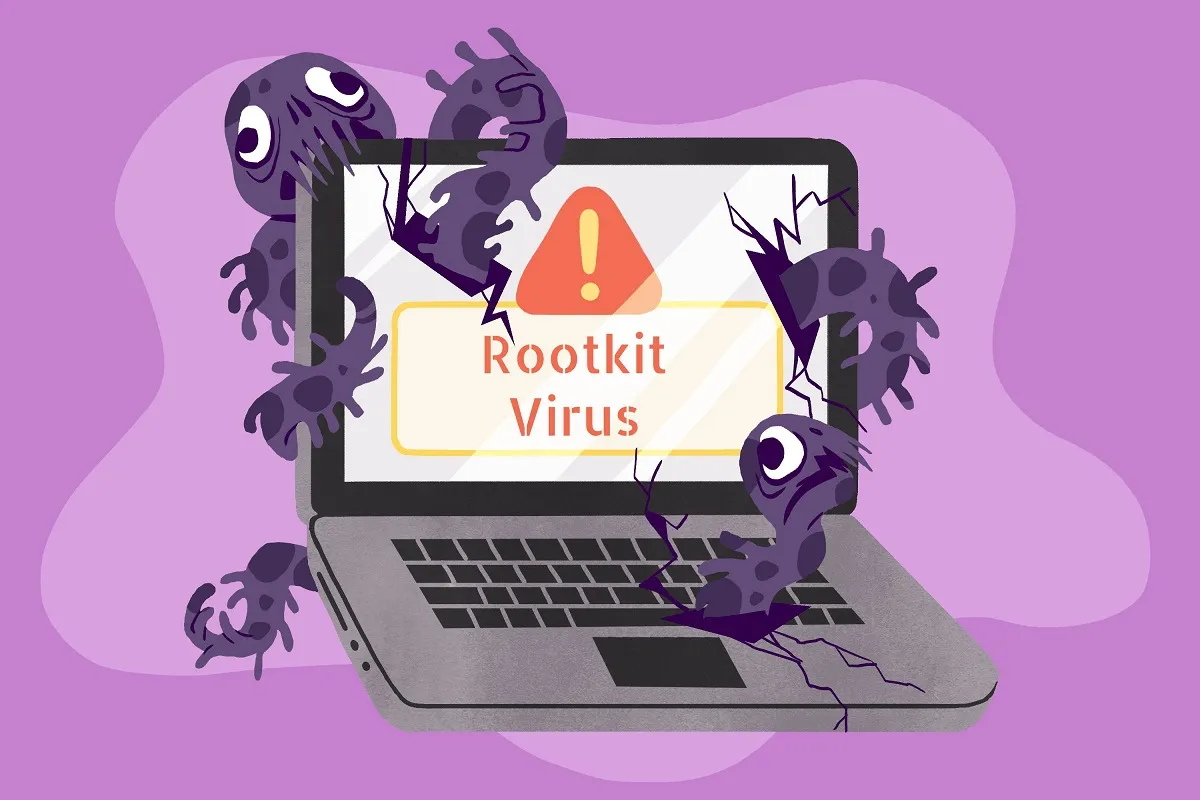
Rootkit as a Threat
In today’s digital threat landscape, not all cyberattacks come with flashing red warnings or immediate signs of compromise. One of the most dangerous forms of modern malware operates in the shadows, undetectable, persistent, and devastating.
We’re talking about rootkits, a class of malware designed to hide its presence, gain privileged access, and silently control your systems. Even more concerning is how attackers are delivering these threats through booby-trapped phishing emails.
At Alpha Cyber, we believe that awareness is the first step to defense. In this article, we’ll explain how rootkit attacks work, how phishing emails deliver them, and how to protect your organization from these stealthy threats.
What Is a Rootkit?
A rootkit is a stealthy type of malware that gains unauthorized root-level (administrator-level) access to a system and remains hidden from standard detection methods.
Once installed, a rootkit can:
- Monitor user behavior
- Steal sensitive data
- Open backdoors for future attacks
- Disable antivirus and security tools
- Modify system files without detection
How Rootkits Are Delivered via Phishing Emails
Cybercriminals have become smarter in how they deploy rootkits. One of the most effective delivery methods today is through booby-trapped phishing emails.
Here’s how it typically works:
Targeted Email – You receive a legitimate-looking email, often appearing to come from a trusted contact, vendor, or even internal department.
Malicious Attachment or Link – The email contains a disguised attachment (like a PDF, Word doc, or ZIP file) or a link to a compromised site.
Execution – Once opened, the malicious file drops a rootkit onto your system, often bypassing standard antivirus tools.
Silent Takeover – The rootkit embeds itself deep in the system, giving attackers backdoor access while avoiding detection.
Why Rootkit Attacks Are So Dangerous
- They’re Invisible: Most traditional antivirus tools can’t detect rootkits.
- They’re Persistent: They can survive system reboots and stay undetected for months.
- They Enable Larger Breaches: Rootkits often act as a gateway to bigger attacks, ransomware, data theft, or full system compromise.
How to Protect Your Business from Rootkit Attacks
1. Educate Your Team
Your employees are your first line of defense. Regular phishing awareness training helps them spot suspicious emails before it’s too late.
2. Use Advanced Threat Detection
Invest in EDR (Endpoint Detection & Response) and behavior-based security tools that can detect abnormal system behaviors, even if malware is hidden.
3. Implement Least Privilege Access
Limit administrative privileges to only essential personnel. The fewer people with elevated access, the smaller your attack surface.
4. Regularly Monitor and Audit Systems
Use security monitoring tools that log and analyze system activity. This helps detect anomalies that rootkits typically cause.
5. Partner with a Cybersecurity Expert
Working with a cybersecurity services provider like Alpha Cyber ensures your defenses are up-to-date and continuously monitored by professionals.
How We Can Help
At Alpha Cyber, we specialize in:
- Advanced Threat Detection & Response
- Phishing Simulation & Employee Training
- System Hardening & Rootkit Detection
- 24/7 Security Monitoring
- Incident Response & Recovery
We help businesses like yours stay ahead of evolving threats, from stealthy rootkits to full-scale cyberattacks.
Don’t wait for a silent threat to strike. Contact Us for a Security Assessment
Alpha Cyber
Your Trusted Partner in Cyber Defense