Storm-0501: When “The Intruder is in the House” Means Your Azure Cloud is Compromised.
It is the notification no administrator wants to see: not a firewall alert, but a Microsoft Teams message from an intruder already sitting inside the tenant.

The Intruder is in the House: How Storm-0501 Turned Corporate Chat into a Ransom Note
It’s the notification no administrator ever wants to see. It isn’t an automated alert from a firewall or a formal letter but a Microsoft Teams message from an intruder already sitting at your virtual kitchen table.
The threat landscape has shifted. We are moving away from the era of “spray and pray” phishing into an era of highly targeted, surgically precise hybrid attacks. Storm-0501 isn’t just another threat actor; they are specialists in what we call the “Hybrid Hustle.” By pivoting from legacy on-premises environments into the modern cloud, they’ve turned Microsoft Azure into a playground for data exfiltration and extortion. If you think your cloud perimeter is a brick wall, Storm-0501 is the locksmith you never hired, and they’ve already found the spare key under the mat.
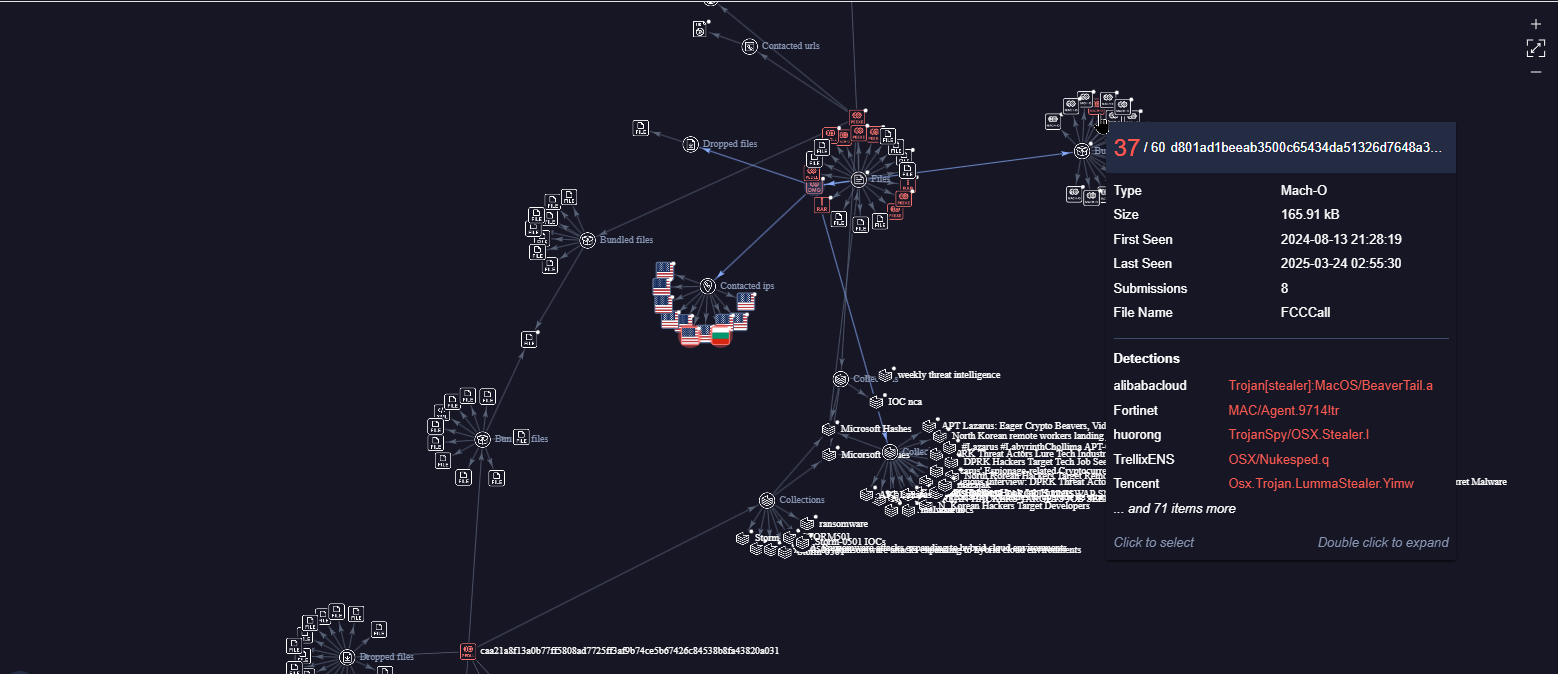
Anatomy of the Breach: A Comprehensive Infrastructure Map
To defend against an adversary, you must be able to visualize their path through your digital architecture. This isn’t just a random occurrence; it is a calculated journey across your network. Based on recent intelligence, here is how this threat actor navigates a target’s service infrastructure:
1. The Initial Foothold (On-Premises Entry)
The attack typically begins where most companies are weakest: the boundary between old and new. Storm-0501 often gains entry through compromised credentials likely obtained via previous phishing or credential stuffing or by exploiting unpatched vulnerabilities in on-premises servers (such as Zoho ManageEngine or Citrix NetScaler).
2. Lateral Movement & Privilege Escalation
Once inside the local network, they don’t rush. They move horizontally, quietly deploying tools to scrape memory and find Domain Admin privileges. Their ultimate prize? The Azure AD (Entra ID) Connect accounts. By compromising the synchronization bridge between your office and the cloud, they effectively gain the “God Mode” credentials needed to ascend.
3. The Cloud Pivot (Azure Infiltration)
Using the synchronization bridge, they vault into your Azure environment. At this stage, the “intruder” is no longer just in your basement; they have the keys to the master bedroom. They create new federated domains or add malicious service principals to ensure that even if you change a password, they still have a back door.
4. The “Silent” Siphon & Persistence
They deploy sophisticated payloads, such as Cobalt Strike beacons, often disguised as harmless Win32 DLLs. These beacons communicate back to Command-and-Control (C2) servers via encrypted channels, often hidden within common traffic. They begin the “Silent Siphon,” moving terabytes of sensitive data to their own storage (like Mega.nz or private servers) using tools like Rclone.
5. The Teams Extortion (The Final Blow)
In a bold, psychological move, Storm-0501 skips the traditional “README” text file on a desktop. Instead, they message your IT staff or executives directly via Microsoft Teams. This creates an immediate sense of panic and urgency, demanding payment to prevent the release of the stolen data on their leak sites.
Deep Dive: Why These IOCs Matter
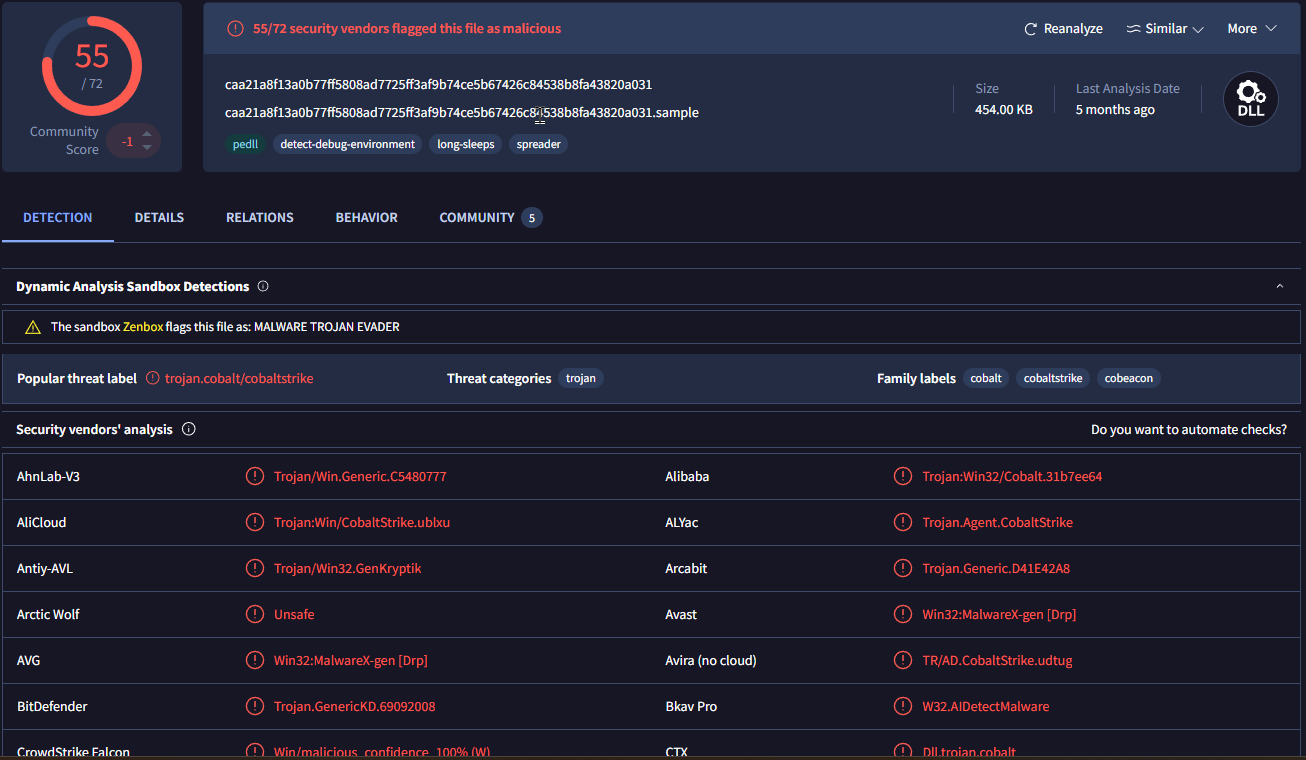
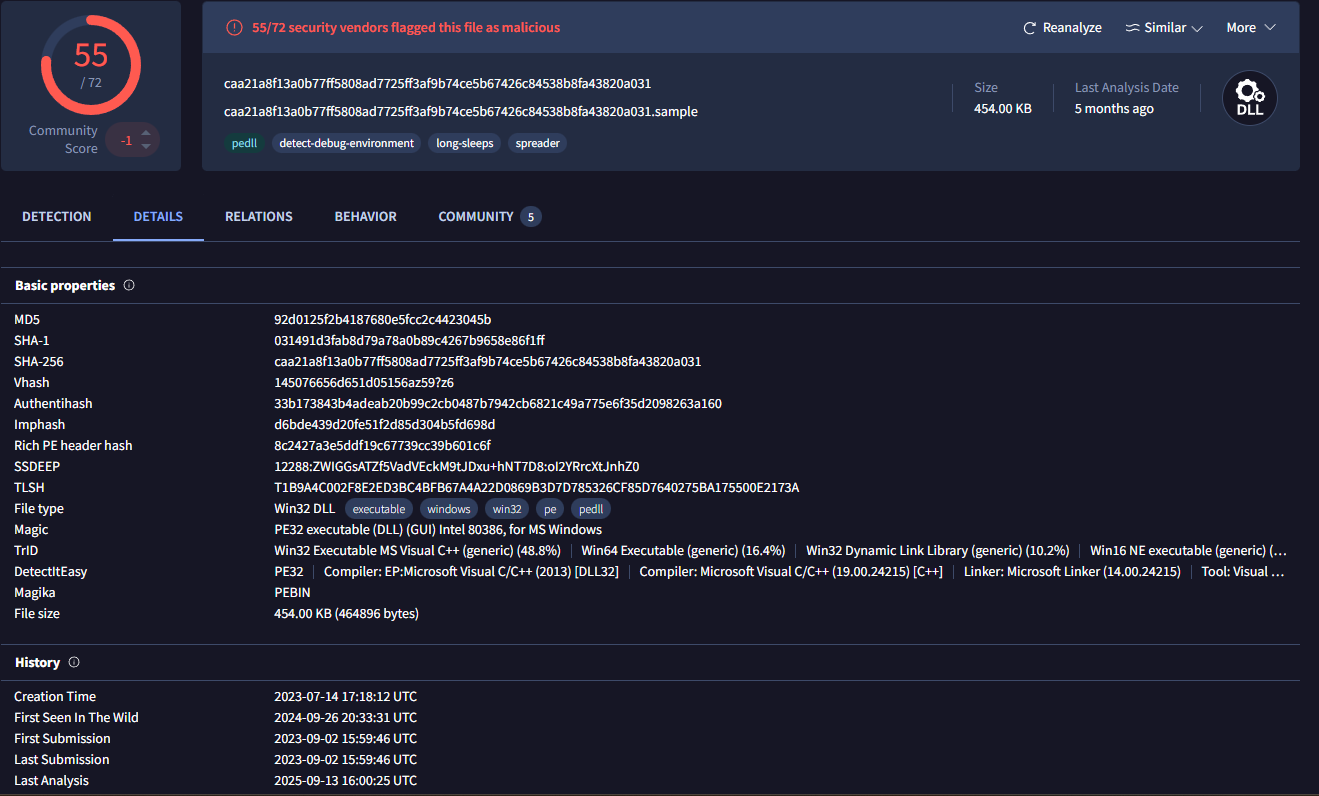
When looking at the technical forensic data, the severity of this threat becomes clear. One of the primary files utilized in this campaign (Hash ending in ...031) shows a staggering 55/72 detection rate on VirusTotal. Security vendors across the board have flagged this as a Trojan/Cobalt Strike beacon.
Technical analysis reveals that these files are designed to:
Detect Debug Environments: They know if you are trying to analyze them in a sandbox.
Long Sleeps: They remain dormant for long periods to bypass time-based security triggers.
Spreader Capabilities: They are built to move through your network automatically.
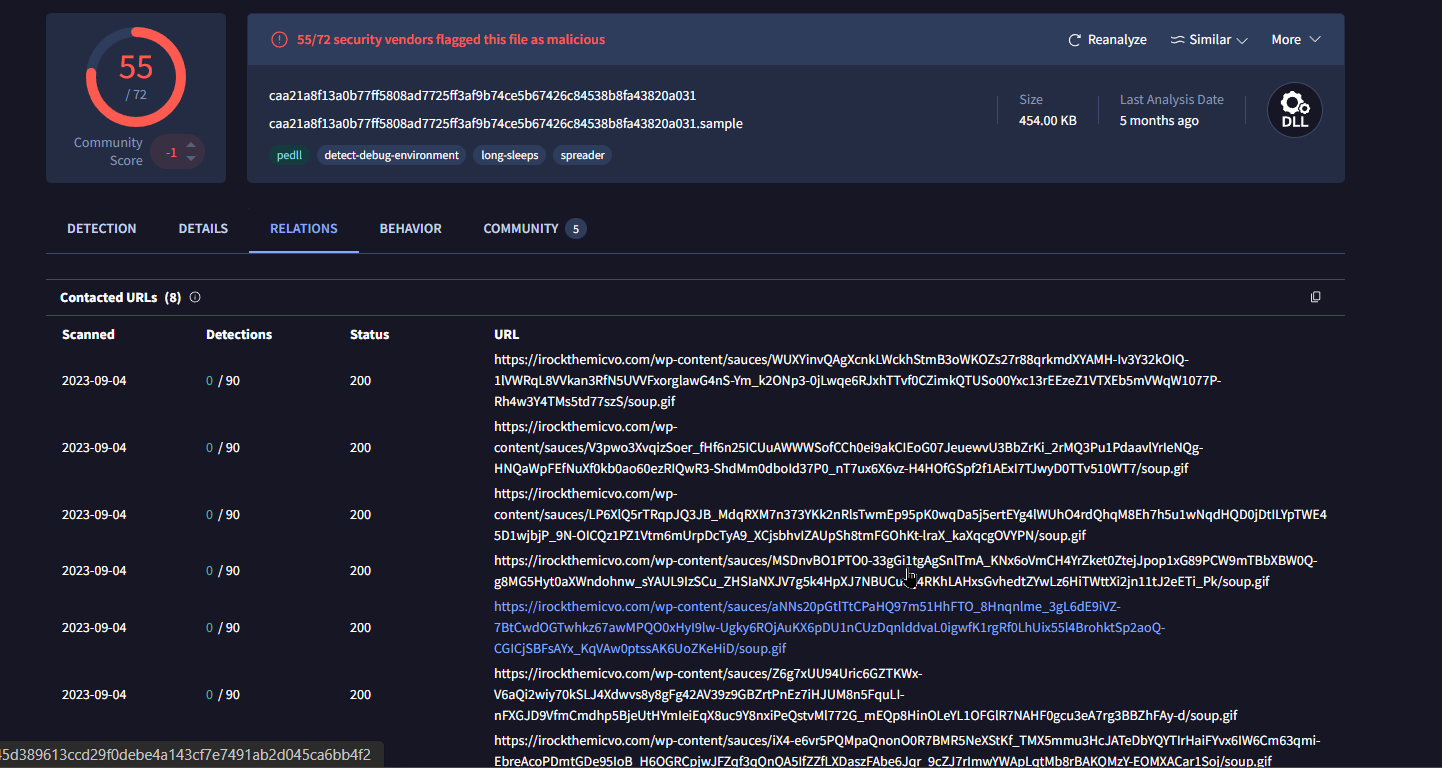
The attackers are also using hijacked domains for their infrastructure, such as irockthemicvo.com. They hide their payloads in paths disguised as WordPress content (e.g., /wp-content/sauces/...) and name their malicious files things like soup.gif to blend into web logs.
High-Alert Indicators: IOCs to Block Immediately
Our threat intelligence team has identified the following malicious hashes and indicators associated with this campaign. If these hashes appear in your environment, the intruder is likely already active.
| SHA-256 Hash | Threat Category | Threat Label |
|---|---|---|
caa21a8f13a0b77ff5808ad7725ff3af9b74ce5b67426c84538b8fa43820a031 | Cobalt Strike Beacon | trojan.cobalt/cobeacon |
efb2f6452d7b0a63f6f2f4d8db49433259249df598391dd79f64df1ee3880a8d | Malware / Trojan | Persistence / Backdoor |
a9aeb861817f3e4e74134622cbe298909e28d0fcc1e72f179a32adc637293a40 | Malware / Trojan | Lateral Movement Tool |
d37dc37fdcebbe0d265b8afad24198998ae8c3b2c6603a9258200ea8a1bd7b4a | Malware / Trojan | Data Exfiltration Script |
53e2dec3e16a0ff000a8c8c279eeeca8b4437edb8ec8462bfbd9f64ded8072d9 | Malware / Trojan | C2 Communication |
827f7178802b2e92988d7cff349648f334bc86317b0b628f4bb9264285fccf5f | Malware / Trojan | Credential Harvester |
ee80f3e3ad43a283cbc83992e235e4c1b03ff3437c880be02ab1d15d92a8348a | Malware / Trojan | Persistence Mechanism |
de09ec092b11a1396613846f6b082e1e1ee16ea270c895ec6e4f553a13716304 | Malware / Trojan | C2 Communication |
d065623a7d943c6e5a20ca9667aa3c41e639e153600e26ca0af5d7c643384670 | Malware / Trojan | Lateral Movement Tool |
c08dd490860b54ae20fa9090274da9ffa1ba163f00d1e462e913cf8c68c11ac1 | Malware / Trojan | Data Exfiltration Script |
Critical Domains & IPs: Block all traffic to irockthemicvo.com and monitor for unusual outbound connections to Cloudflare-backed IP ranges (e.g., 188.114.96.0/24) that don’t align with your standard business operations.
How to Protect Your Organization
Blocking hashes is only the first step. To truly secure your infrastructure against Storm-0501, you need a multi-layered defense:
Enforce Phishing-Resistant MFA: Move beyond SMS and use hardware keys or certificate-based authentication.
Audit Entra ID Connect: Closely monitor the accounts used to sync your on-premise AD with Azure.
Restrict Teams Communication: Limit who can message your employees from outside the organization.
Endpoint Detection: Ensure your EDR is configured to catch “living off the land” techniques used for lateral movement.
Don’t Wait for a “Ping” From a Hacker
Storm-0501 thrives on the invisible gaps between your on-premises security and your cloud infrastructure. Our Hybrid Cloud Audit and Managed Detection and Response (MDR) services are designed to find those gaps before they do. We don’t just provide you with a list of hashes to block; we provide the strategic shield that prevents the “storm” from ever making landfall.