
The Sandworm Hackers Cauldron: Unraveling the Threat with Strategic Infrastructure Mapping
In the vast and often unseen world of cyber threats, there exists a particularly nasty breed of hackers that thrive in the shadows: the Sandworm hackers.

In the vast and often unseen world of cyber threats, there exists a particularly nasty breed of hackers that thrive in the shadows: the Sandworm hackers. These cybercriminals operate with a devastating, methodical approach like stirring a cauldron of malicious software, mixing destructive payloads, and releasing them to wreak havoc on unsuspecting targets. One such threat in their arsenal is Indestroyer malware, a highly advanced piece of code designed to disrupt systems and evade detection.
In this post, we’ll uncover the inner workings of the Sandworm hackers’ cauldron, focusing on Indestroyer malware. We’ll also discuss how infrastructure mapping can help organizations proactively defend against these types of attacks by identifying potential vulnerabilities and blocking malicious indicators. But first, let’s dive into what we discovered through a close investigation of this particular malware.
Unveiling Indestroyer Malware
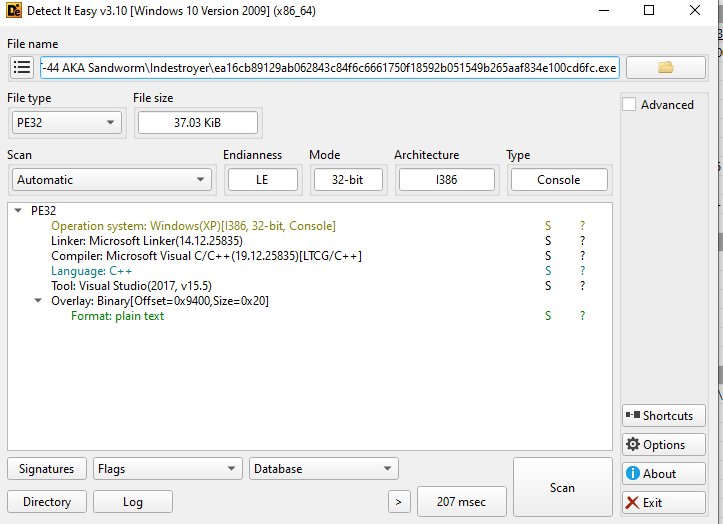
Through our analysis, using tools like Pestudio, we identified key aspects of the Indestroyer malware that allow it to operate under the radar and cause significant damage to infected systems. Here’s a breakdown of our findings:
Malware Name: Indestroyer
Malware Hash: EA16CB89129AB062843C84F6C6661750F18592B051549B265AAF834E100CD6FC
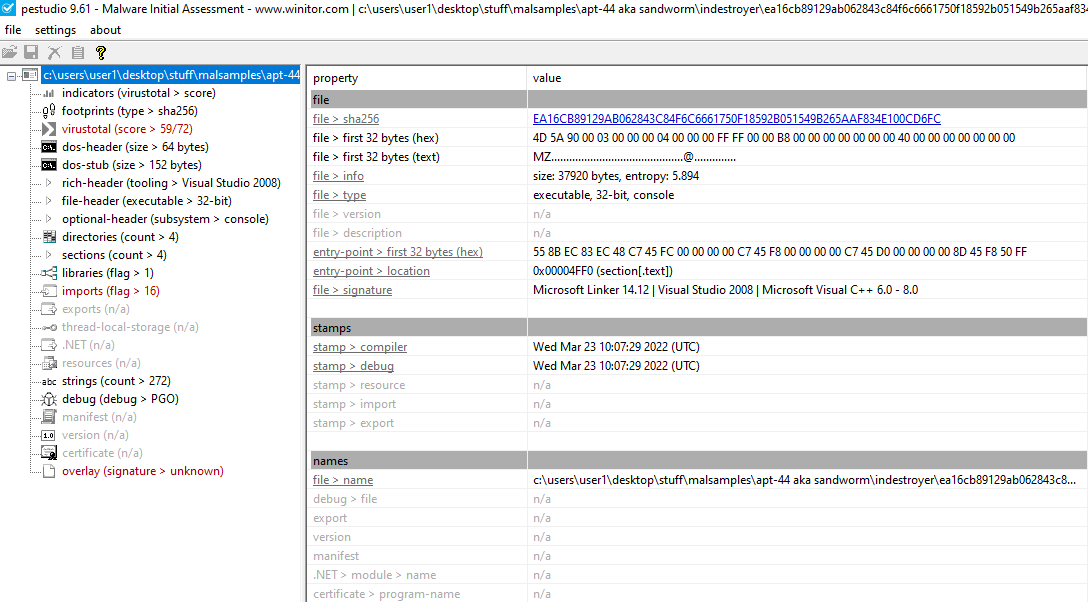
VirusTotal Score: 57 malicious detections
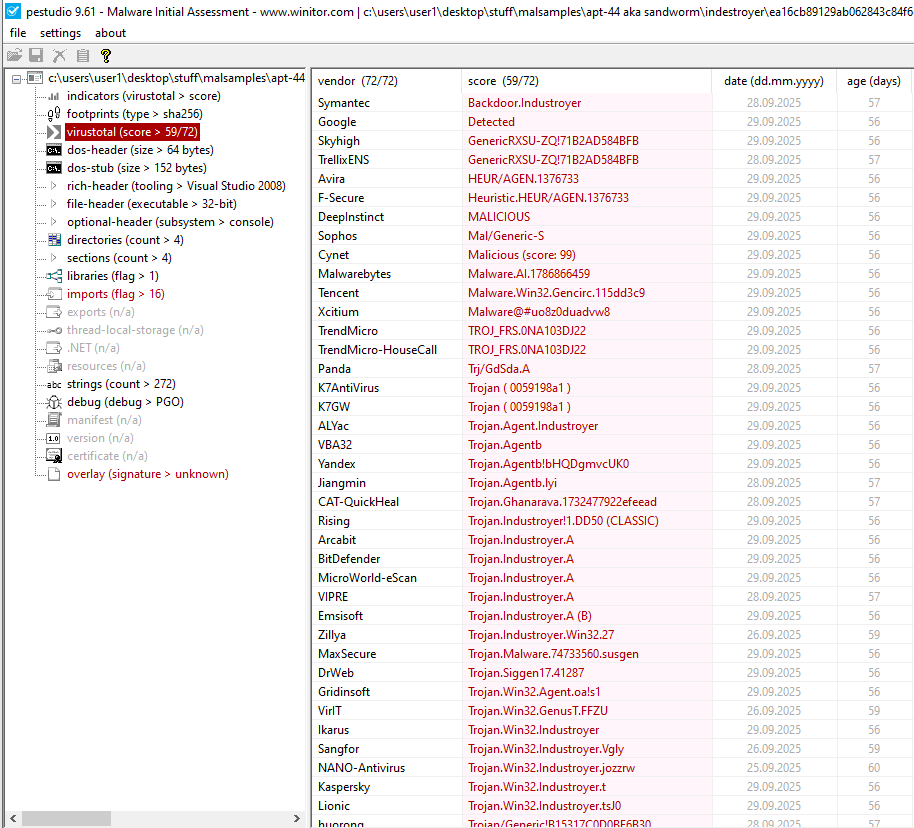
Total Malicious Imports: 16
Some of these include common Windows API calls such as WriteFile, MoveFile, Process32First, and OpenProcess, which are often associated with malware behavior.
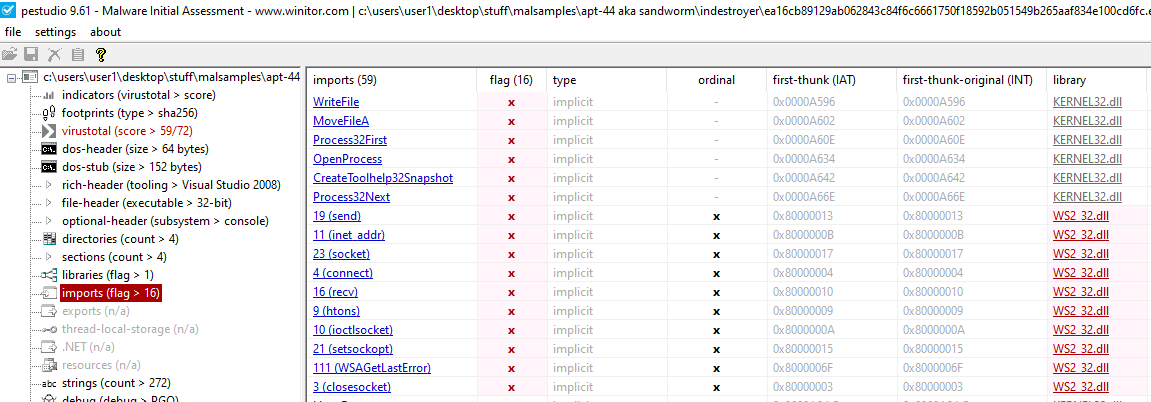
Signature: Unknown, making detection harder for traditional security systems
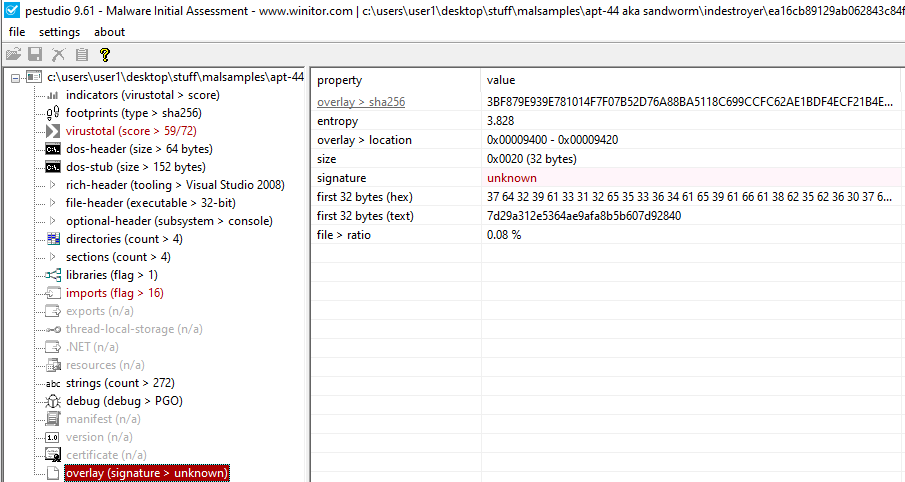
Operation System: Windows XP (I386, 32bit, Console)
Language: Written in C++
Overlay: Binary[Offset=0x9400, Size=0x20], a sign of hidden payloads and obfuscation techniques
Key Findings:
Easy Detection: Even with its stealthy design, Indestroyer malware can be detected through abnormal file operations (e.g., writing, moving files) and system process manipulations.
Target Platform: It specifically targets older versions of Windows (XP), which are often overlooked in many organizations’ security protocols.
How Infrastructure Mapping Helps Protect Against Sandworm Attacks
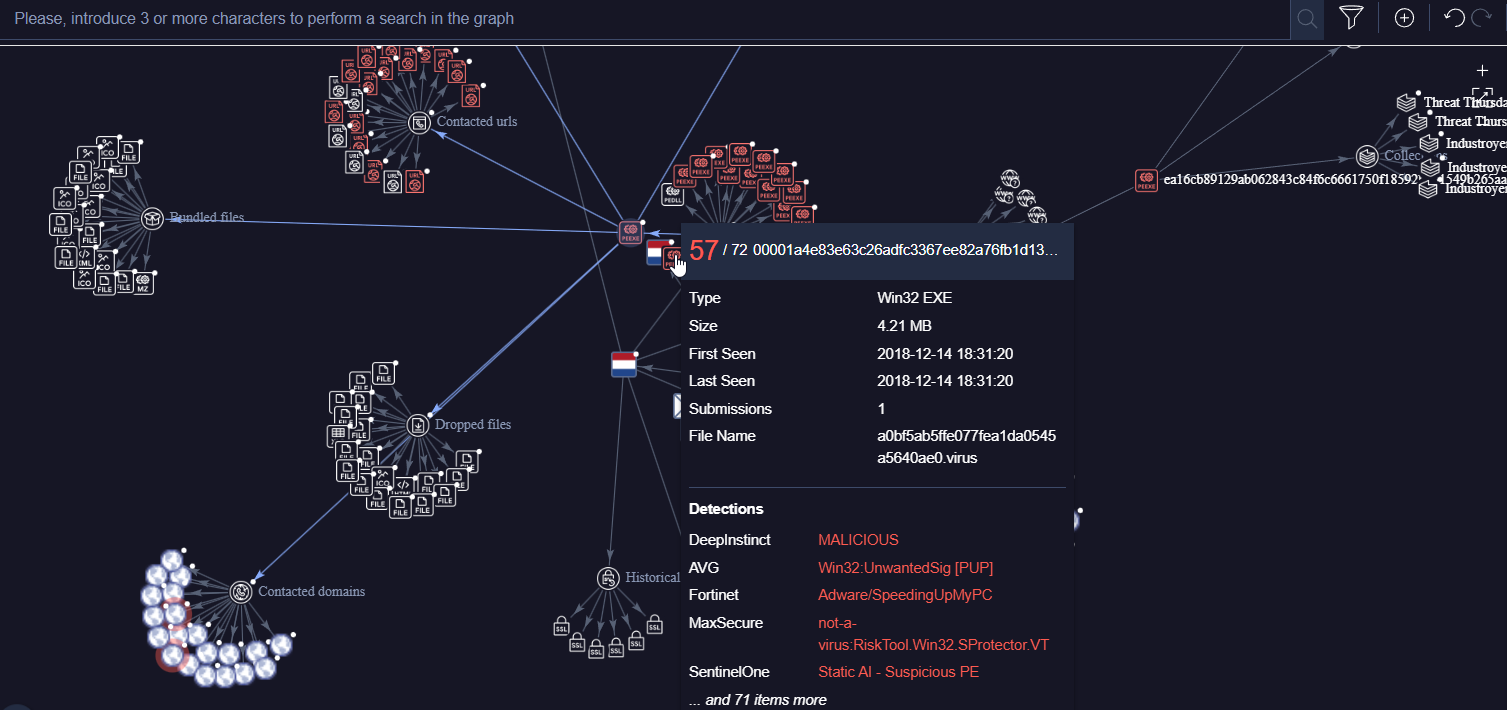
When dealing with sophisticated threats like Indestroyer, understanding your network infrastructure is paramount. Infrastructure mapping helps you visualize your systems, data flows, and potential weak points, giving your security team the tools needed to anticipate and prevent attacks before they can spread.
Identify Vulnerabilities: Infrastructure mapping highlights unpatched systems, outdated software, and unsecured network connections that are prime targets for attackers.
Monitor Traffic Patterns: With a clear map, you can spot unusual network activity that may be linked to malware like Indestroyer, ensuring a quicker response time.
Improve Response Time: A welldocumented network allows teams to act swiftly in isolating affected systems and mitigating the damage from a breach.
With the right infrastructure mapping strategy in place, you gain a comprehensive overview of your defenses, helping to proactively manage risk and stay ahead of attackers like the Sandworm hackers.
Key Indicators of Compromise (IOCs) to Block
To effectively combat the Sandworm hackers and the Indestroyer malware, blocking known Indicators of Compromise (IOCs) is critical. These IOCs represent the digital fingerprints left behind by malicious activity, and by identifying and blocking them, you can prevent further damage to your network.
| Type | IOC | Description |
|---|---|---|
| File Hash | d69665f56ddef7ad4e71971f06432e59f1510a7194386e5f0e8926aea7b88e00 | Malware sample hash tied to Indestroyer |
| File Hash | EA16CB89129AB062843C84F6C6661750F18592B051549B265AAF834E100CD6FC | Primary malware hash for detection |
By blocking these IOCs across all network and endpoint defenses, organizations can prevent initial access by the Sandworm hackers and disrupt the malicious activities they intend to carry out.
Stay One Step Ahead
The Sandworm hackers’ cauldron is full of dangerous, destructive tools, and Indestroyer malware is just one example of the sophisticated threats in their arsenal. By leveraging infrastructure mapping to understand your network, and by blocking IOCs associated with these attacks, you can stay one step ahead of cybercriminals and better protect your critical infrastructure.
If you haven’t already, it’s time to review your security posture. Do you know where your vulnerabilities are? Are you actively monitoring for suspicious behavior on your network? With the right tools and expertise, you can fortify your defenses against even the most advanced threats.
Need Assistance?
Our team of cybersecurity experts is here to help. We can assist with infrastructure mapping, vulnerability assessments, and real time defense strategies to keep your organization safe from evolving threats like the Sandworm hackers. Contact us today to schedule a consultation and learn how we can enhance your security.
This post not only explains the threat of the Sandworm hackers and their Indestroyer malware but also emphasizes the importance of proactive defense through infrastructure mapping and IOC blocking. It positions your services as the solution to the emerging cybersecurity risks posed by these sophisticated attacks. Would you like to tailor it further with any specific services or features you offer?